
DISPOSAL
SEPL over the years is very well conversant with the sensitivity and hazards associated to the Disposal of Explosives and the complicated chemical reactions which cause explosions that can potentially cause harm to any user handling explosive materials or life and property as well. ‘Disposal of explosives’ means their destruction, or rendering them permanently explosively inert. SEPL provides related services like obtaining disposal permission, coordination with Government Authorities, arrangement of disposal land etc
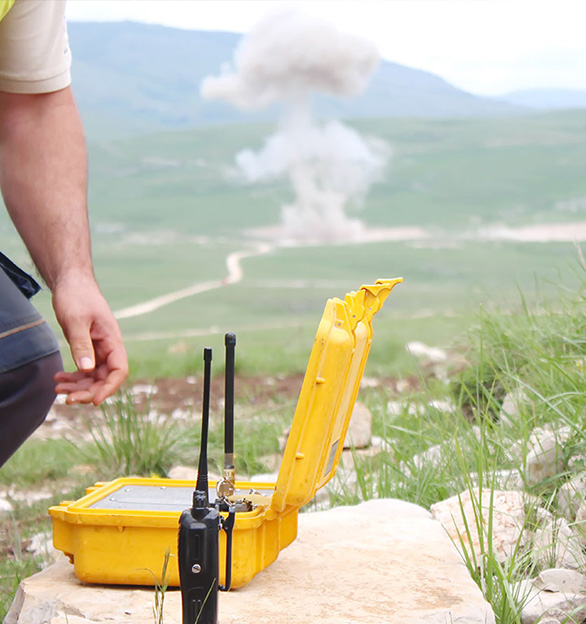
METHODS OF DISPOSAL
There is generally more than one way of destroying an explosive. The method used will depend on the nature of the explosive and its hazards, and the type and position of the disposal site. Anyone disposing of explosives should be aware that they have duties to do so in a way that is not harmful to the environment. SEPL Providing Services for Disposal of Explosives including arranging of Open Land, Labour, construction of Pit, which also includes Burning, Detonation, dissolving or diluting by appropiate solvents. Dumping at sea (or in landfill) is not, under any circumstances, considered to be a suitable method of disposing of explosives. Therefore the Explosive Disposal team at SEPL is thoroughly trained and have the experience of years in undertaking various such Explosive Disposal Projects which make SEPL technically very sound and well known in this area too.
i. Industrial Explosives
Industrial explosives are commonly used in mining, construction, and demolition activities. Proper disposal of industrial explosives is crucial to prevent accidents and environmental damage. The disposal process involves:
- Identification : Properly identifying the type and quantity of explosives to be disposed of.
- Transportation : Safely transporting the explosives to a designated disposal site using specialized vehicles and following strict safety protocols.
- Disposal Methods : Utilizing controlled detonation or chemical neutralization methods under the supervision of trained professionals.
- Environmental Impact : Ensuring that the disposal process minimizes environmental impact and complies with regulations to protect ecosystems and surrounding communities.
ii. Oil Well Logging Explosives
Oil well logging explosives are used in the oil and gas industry for geological surveys and well logging operations. Disposal of these explosives requires specialized handling due to their sensitivity and potential hazards. The disposal process includes:
- Safety Precautions : Implementing strict safety protocols during handling, transportation, and disposal to prevent accidents.
- Regulatory Compliance : Adhering to local regulations and guidelines for the disposal of oil well logging explosives to ensure environmental and public safety.
- Expert Supervision : Having trained professionals oversee the disposal process to minimize risks and ensure proper handling.
- Disposal Techniques : Using controlled detonation or chemical neutralization methods in designated disposal areas to safely eliminate the explosives.
iii. Seismic Explosives
Seismic explosives are used in geophysical exploration for oil, gas, and mineral resources. Disposal of seismic explosives is critical to prevent unintended detonations and environmental contamination. The disposal process involves:
- Risk Assessment : Conducting a thorough risk assessment to determine the safest and most effective disposal method based on the type and quantity of explosives.
- Disposal Planning : Developing a detailed disposal plan that includes transportation logistics, safety measures, and environmental considerations.
- Disposal Execution : Implementing the disposal plan using controlled detonation techniques or specialized disposal facilities under expert supervision.
- Post-Disposal Monitoring : Conducting post-disposal monitoring to ensure that the area is safe and free from any residual explosive materials.
iv. Pyrotechnics (Marine Signals)
Pyrotechnics used as marine signals are essential for maritime safety but require proper disposal to prevent accidents and pollution. The disposal process for marine signal pyrotechnics includes:
- Storage and Handling : Storing pyrotechnics in designated areas and handling them with care to prevent accidental ignition.
- Disposal Regulations : Following specific regulations for the disposal of marine signal pyrotechnics to ensure compliance with maritime safety standards.
- Disposal Methods : Utilizing specialized disposal techniques such as controlled burning or chemical neutralization in approved facilities.
- Safety Measures : Implementing safety measures during the disposal process to protect personnel and the environment from potential hazards.